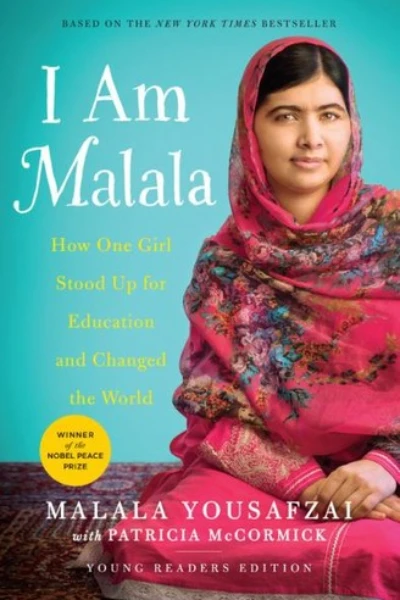
I Am Malala
I Am Malala — Chapter no 12
12
The Bloody Square
THE BODIES WOULD be dumped in the square at night so that everyone would see them the next morning on their way to work. There was usually a note pinned to them saying something like, ‘This is what happens to an army agent’, or ‘Do not touch this body until 11 a.m. or you will be next.’ On some of the nights of the killings there would also be earthquakes, which made people even more scared as we connect every natural disaster with a human disaster.
They killed Shabana on a bitterly cold night in January 2009. She lived in Banr Bazaar, a narrow street in our town of Mingora which is famous for its dancers and musicians. Shabana’s father said a group of men had knocked at her door and asked her to dance for them. She went to put on her dancing clothes, and when she returned to dance for them, they pulled out their guns and threatened to slit her throat. This happened after the 9 p.m. curfew and people heard her screaming, ‘I promise I’ll stop! I promise I won’t sing and dance again. Leave me, for God’s sake! I am a woman, a Muslim. Don’t kill me!’ Then shots rang out and her bullet-ridden body was dragged to Green Chowk. So many bodies had been left there that people started calling it the Bloody Square.
We heard about Shabana’s death the next morning. On Mullah FM, Fazlullah said she deserved to die for her immoral character and any other girls found performing in Banr Bazaar would be killed one by one. We used to be proud of our music and art in Swat, but now most of the dancers fled to Lahore or to Dubai. Musicians took out adverts in the papers saying they had stopped playing and were pledging to live pious lives to appease the Taliban.
People used to talk about Shabana’s bad character, but our men both wished to see her dance and also despised her because she was a dancer. A